By Giuliana Kinnerly
•
March 25, 2026
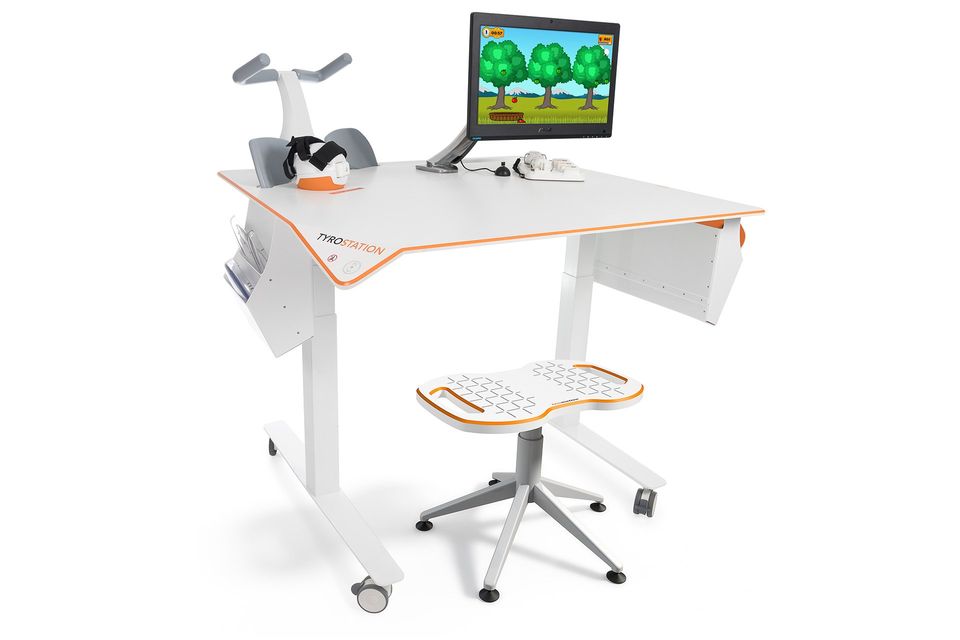
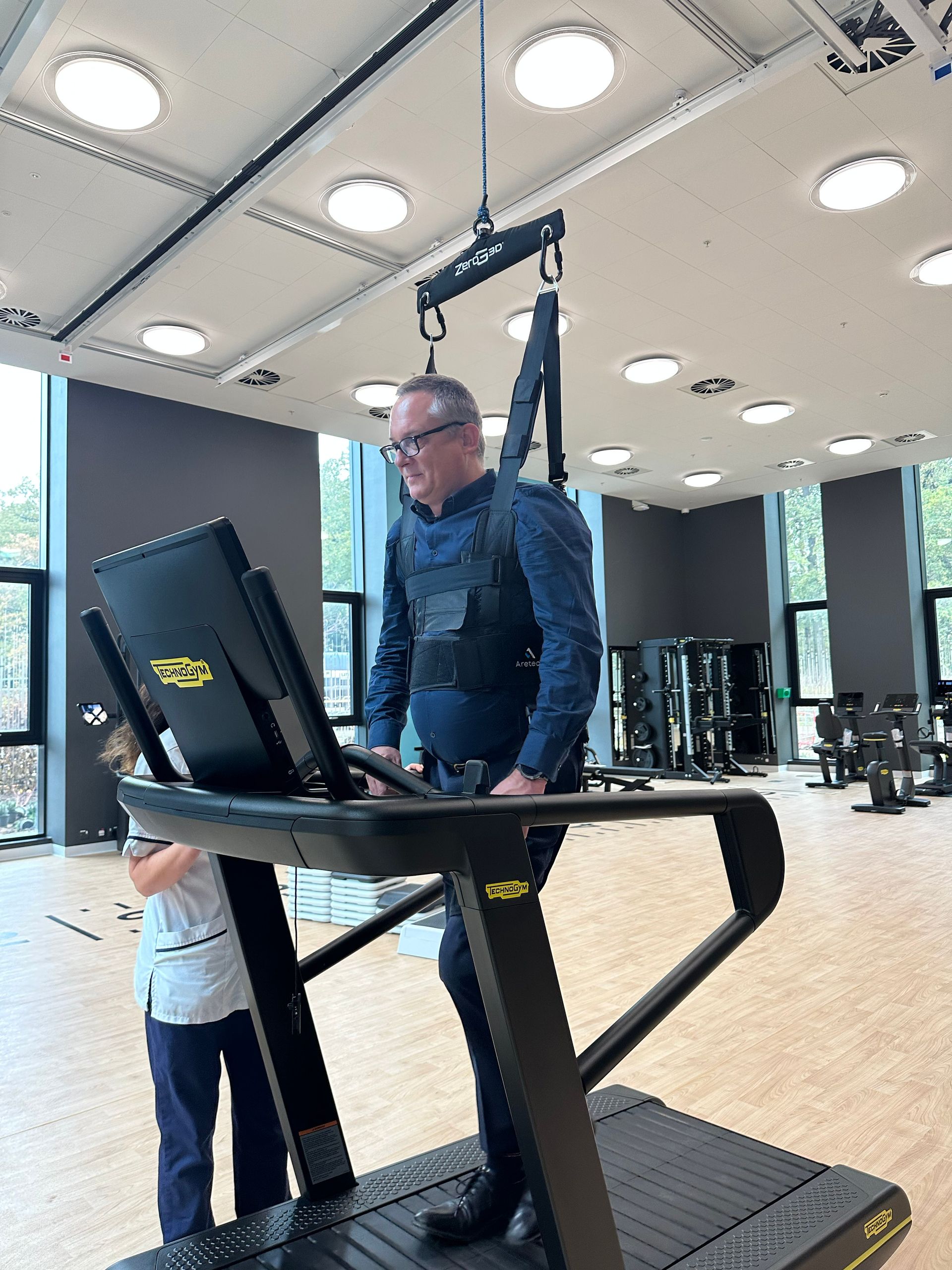
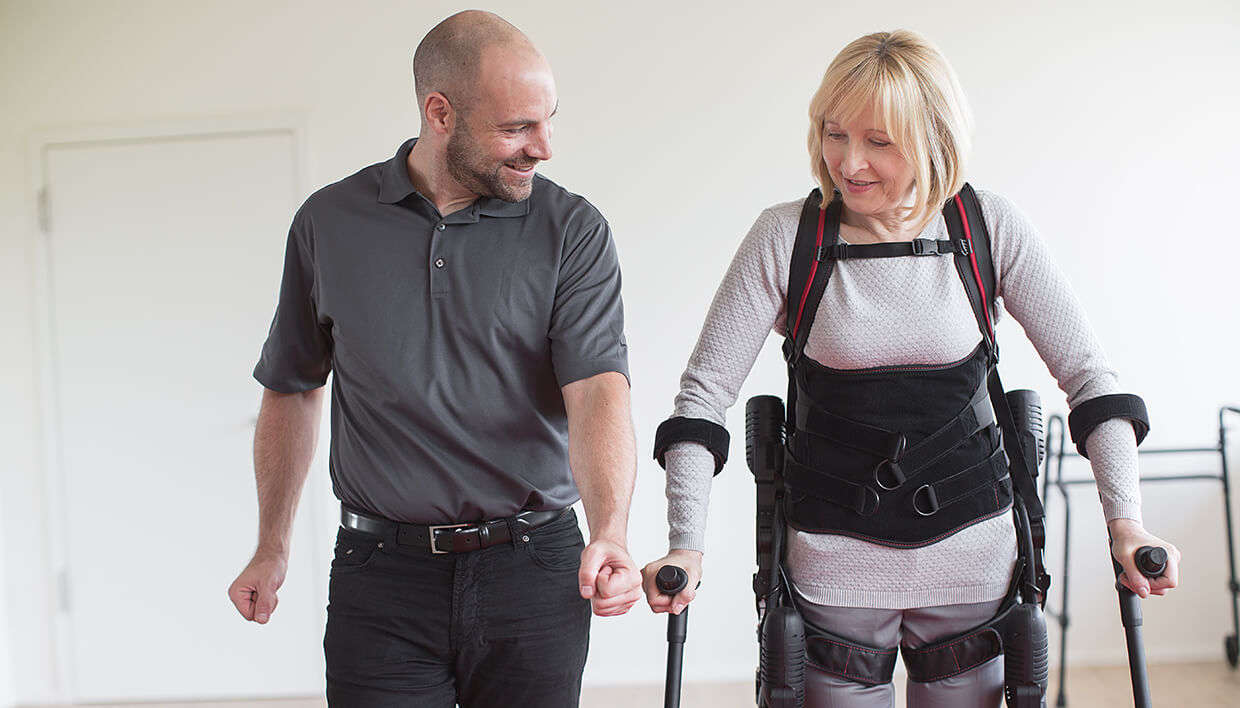
When it comes to recovery after a stroke, spinal cord injury or neurological condition, timing is everything. Early rehabilitation isn’t just beneficial, it can be the difference between limited recovery and life-changing progress. With advances in rehabilitation technology, clinicians can now start therapy sooner, deliver more effective treatment, and ultimately improve long-term outcomes for patients. So why does early intervention matter? After a neurological injury such as stroke, spinal cord injury, or traumatic brain injury, the brain enters a critical window of heightened neuroplasticity. This is when it’s most responsive to forming new neural connections and relearning movement patterns. If rehabilitation is delayed: Muscles weaken and joints stiffen Compensatory (often incorrect) movement patterns develop Motivation and engagement can drop Long-term recovery potential may be reduced Starting rehab early helps patients: Maintain muscle tone and joint mobility Reinforce correct movement patterns from the outset Reduce complications like spasticity or contractures Build confidence and motivation sooner Where rehabilitation technology comes in... One of the biggest challenges in early rehab is that many patients are unable to move independently. This is where advanced technology becomes essential. Robotic and sensor-based systems allow patients to begin therapy earlier, with the right level of support, guidance and progression, something traditional therapy alone cannot always provide. Supporting recovery from day one with key technologies Ectron provides a complete ecosystem of rehabilitation solutions, each targeting a different aspect of recovery, from early mobilisation to advanced functional training. Upper limb rehabilitation Devices like Amadeo , Diego , and Pablo enable patients to start rebuilding movement in the arms and hands from the earliest stages. Amadeo supports fine motor recovery through highly repetitive finger and hand training Diego uses intelligent gravity support to allow movement even in very weak arms, enabling task-based therapy across all stages Pablo provides interactive, full-body therapy with real-time feedback, helping patients practise everyday movements and track progress Together, these technologies ensure patients can begin therapy even with minimal voluntary movement. Lower limb and mobility training Regaining the ability to stand and walk is often a key goal, and early intervention is critical. Technologies such as LEXO , Omego Plus , and EksoNR support safe, intensive mobility training. LEXO delivers repetitive, guided walking practice with real-time feedback Omego Plus combines cycling, stepping and leg training to build strength and coordination across all stages EksoNR enables supported standing and walking, helping patients begin gait training earlier This allows patients to experience movement sooner, even when independent walking isn’t yet possible. Balance, coordination and functional training Recovery isn’t just about movement, it’s about control, coordination and real-life function. Devices like TYMO and MYRO bridge the gap between basic movement and everyday activities. TYMO focuses on balance, weight shifting and postural control MYRO uses interactive, task-based exercises to combine physical and cognitive rehabilitation These systems help patients transition from supported movement to functional independence. Why does this technology makes a difference? Earlier mobilisation Robotic systems allow therapy to begin sooner by supporting body weight, guiding movement and adapting to patient ability. This helps prevent muscle loss and supports overall recovery from the outset. Increased repetition and intensity Recovery relies on repetition, and these technologies enable far more high-quality movements than traditional therapy alone. Personalised, adaptive therapy Every patient is different. These systems adjust in real time, providing the right level of assistance or challenge throughout recovery. Data-driven progress tracking Objective data allows clinicians to measure improvement, tailor treatment, and keep patients motivated with visible progress. Improved engagement and motivation Gamified therapy, real-time feedback and interactive exercises make rehabilitation more engaging, especially in the early stages when motivation can be low. The long-term impact of early, technology-led rehabilitation When early intervention is combined with advanced rehabilitation technology, the results can be transformative: Faster functional recovery Greater independence in daily life Reduced long-term care needs Improved patient confidence and quality of life Ectron’s integrated approach, combining devices like Amadeo, Diego, LEXO, Omego Plus, Pablo and more, creates a seamless rehabilitation journey from early-stage recovery through to advanced performance. Because in rehabilitation, it’s not just about starting, it’s about starting early, and starting right...